Dubai Quad Health Guide: Heat, Risks and Hydration
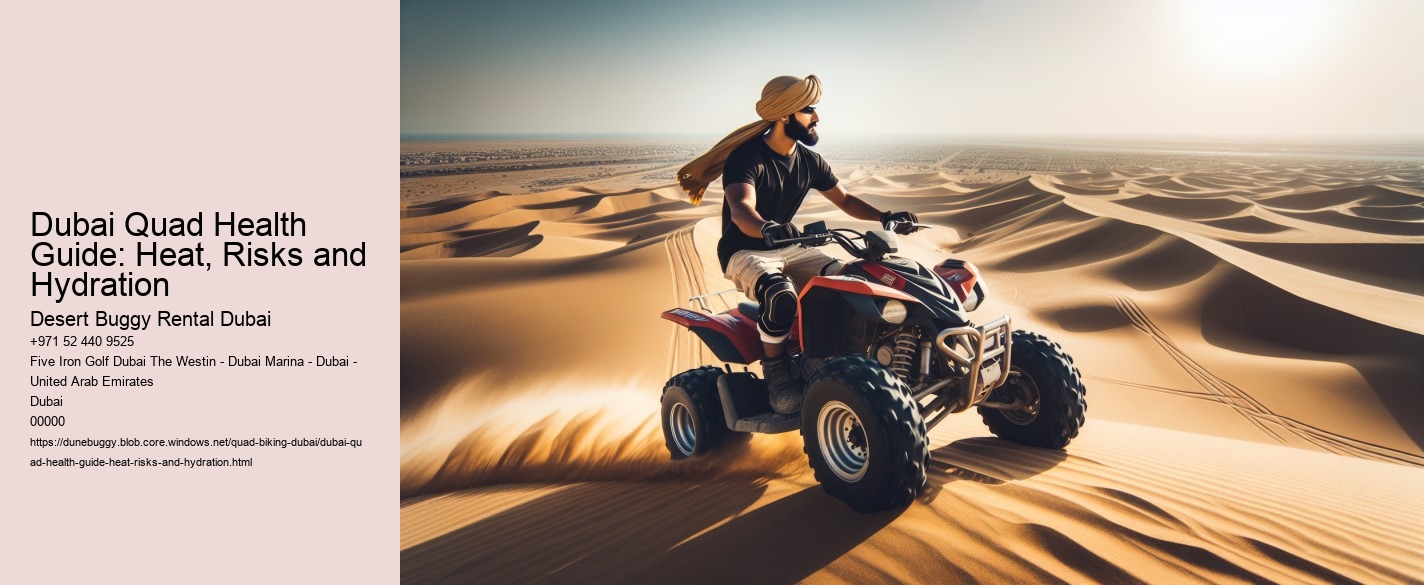
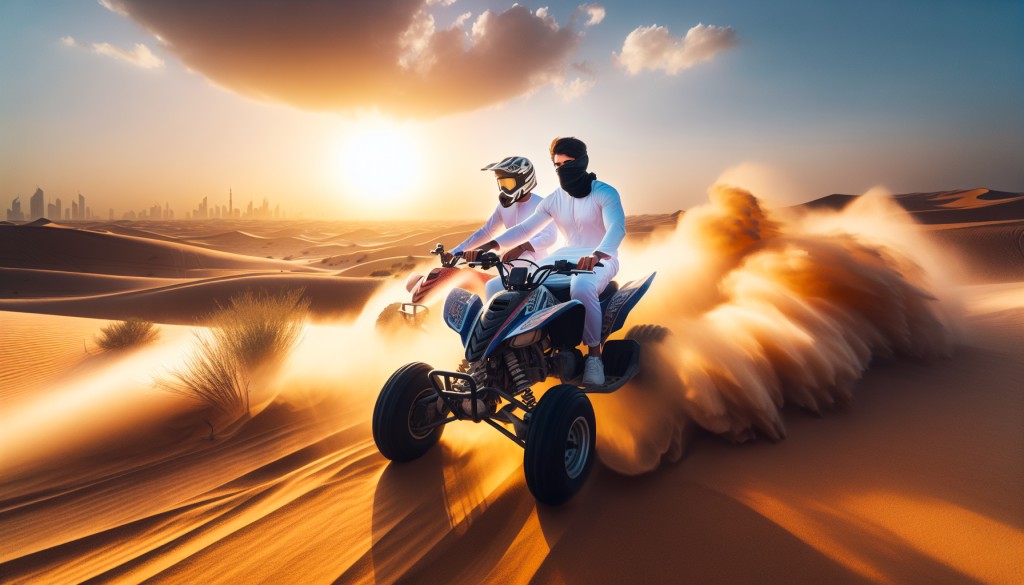
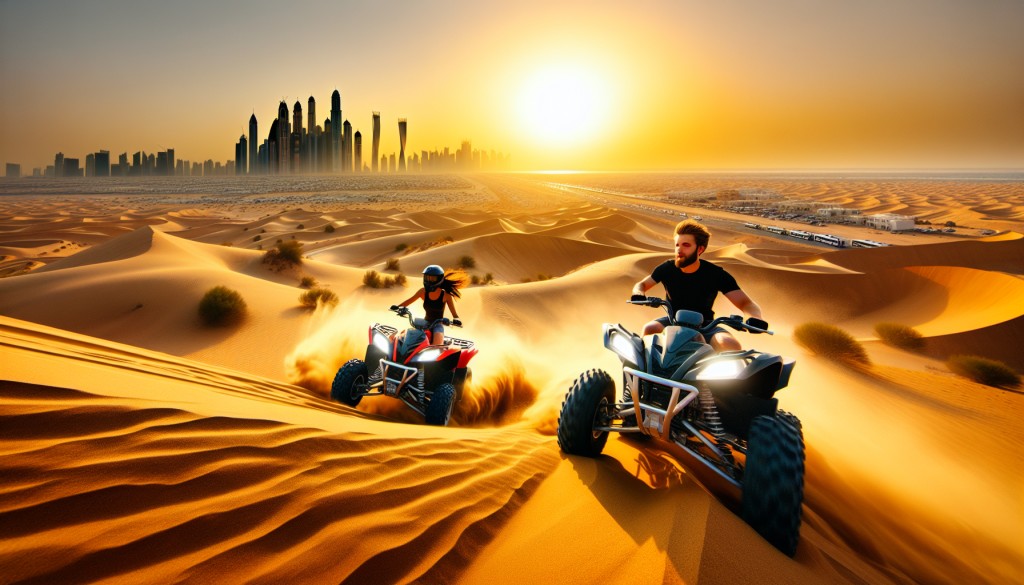
There's a special kind of freedom in skimming over Dubai's dunes on a quad bike. The horizon appears endless, sand ripples like water, and the desert light is unlike anywhere else on earth. But this beauty comes with real heat stress and hydration risks. Whether you're planning a sunrise ride with a tour operator or a longer self-guided session, a little preparation goes a long way to keep you safe, clear-headed, and able to enjoy the experience.
Know the climate you're riding into
Dubai's heat is not a footnote-it is the main event. From May through September, daytime temperatures commonly climb into the low-to-mid 40s Celsius (105–115°F). Even winter can be warmer than expected, and the sun's reflection off pale sand adds extra radiant load. Near the coast, humidity can be high in summer, reducing the ability of sweat to evaporate and cool you. Inland, the air may be drier, but the sun still does most of the damage. Wind on a moving quad makes you feel cooler than you are, which can mask how fast you're losing fluids.
Who is most at risk
Anyone can get into trouble in the desert, but risk rises if you:
- Are new to heat or not acclimatized (first 1–2 weeks in Dubai)
- Push a hard pace or ride long without breaks
- Wear heavy gear without ventilation
- Have a history of heat illness, heart disease, kidney issues, or are on medications that impair sweating or fluid balance (certain antihistamines, diuretics, stimulants)
- Are dehydrated from alcohol the night before or fasting without a tailored plan
Acclimatize if you can
If you'll be riding more than once, give your body 7–14 days to adapt. Start with short sessions in the cooler hours and slowly add time. Acclimatization increases sweat rate, conserves salt, and lowers core temperature during effort-all of which reduce risk.
Plan the ride around the sun
Time is your best safety tool. Aim for early morning or late afternoon. Avoid the midday window, especially in summer. Build shade and rest into your plan: 10 minutes off the bike every 30–45 minutes is a good default in hot weather. If a tour operator recommends a shorter route or earlier start due to heat, take the advice.
Dress for the desert, not the brochure
You need protection from both sun and abrasion. Choose:
- A ventilated, certified helmet plus goggles
- Light-colored, long-sleeve moisture-wicking top and long pants with UPF protection
- Lightweight gloves and sturdy boots; knee and elbow protection
- A neck gaiter or scarf for dust; lip balm with SPF
- Broad-spectrum SPF 30+ sunscreen applied 15–30 minutes before riding; reapply every 2 hours or when you stop. Don't forget ears, neck, and the backs of hands.
Build a hydration plan that actually works
The goal is to prevent large fluid losses while avoiding overdrinking plain water.
- Quad biking Dubai evening ride – Cooler air, glowing dunes, unforgettable vibes. Quad biking Dubai unforgettable ride – An unforgettable ride that makes “one more round” very tempting.
- Pre-hydrate: About 4 hours before riding, drink 5–7 mL of fluid per kilogram of body weight (roughly 350–500 mL for a 70 kg person). If urine is still dark or minimal two hours out, add 3–5 mL/kg more. Include some sodium with meals (e.g., a lightly salted breakfast).
- During the ride: Aim for 0.4–0.8 liters per hour, sipping 150–250 mL every 15–20 minutes. Larger people, faster paces, and hotter days trend toward the higher end. In extreme heat, some need up to 1 liter per hour, but exceeding that for long periods raises the risk of low blood sodium if you don't take in electrolytes.
- Electrolytes: Add sodium. A range of 300–600 mg sodium per hour works for many riders; very salty sweaters may need up to ~1,000 mg/h. Use an isotonic sports drink (about 6–8% carbohydrate) or separate electrolyte tablets. If your drink tastes too sweet and sits heavy, dilute to avoid stomach upset.
- Fuel: For rides over 90 minutes, add 30–60 g carbs per hour from easy snacks (bananas, dates, rice cakes, bars) or your drink mix. Small, frequent bites beat a single heavy meal.
- Check hydration on the fly: Pale straw-colored urine suggests you're on track. Dark urine, headaches, dry mouth, and cramping point to dehydration. Clear urine plus hand swelling and bloating after heavy water intake may mean you need more sodium and to slow your fluid rate.
Carry more water than you think
On the dunes, resupply is not guaranteed. A 2–3 liter hydration pack plus one or two backup bottles is reasonable for most outings. Freeze part of your water the night before so it stays cool.
- Quad biking Dubai all-terrain excitement – All-terrain excitement that laughs at flat ground.
- Quad biking near Dubai city – Adventure so close you’ll forget skyscrapers exist.
Watch for the red flags of heat illness
- Heat cramps: Painful muscle spasms, often in calves or abs. Ease off, gently stretch, and add fluids with sodium.
- Heat exhaustion: Heavy sweating, weakness, dizziness, nausea, headache, pale clammy skin. Move to shade or AC, loosen clothing, elevate legs if dizzy, sip cool fluids with electrolytes, and cool the skin with water, fans, or a damp cloth.
- Heat stroke (medical emergency): Confusion, disorientation, fainting, seizures, very high body temperature, rapid pulse. Skin may be hot and dry or still sweating. Call 998 (ambulance) immediately in the UAE, begin aggressive cooling (ice/water to neck, armpits, groin; fanning; cold wet towels), and do not delay transport. If the person is conscious, small sips are ok; if not, do not give fluids by mouth.
Ride smart, not just hard
- Pace conservatively early. Sand riding is physically demanding; technique matters more than brute force.
- Take breaks in real shade. Quads radiate engine heat; sit away from the bike when you stop.
- Don't ride alone. Dubai Quad on Eid 2026: Deals and Peak Times . A partner, guide, or group drastically improves safety. Keep a charged phone, a way to share your live location, and a basic radio if possible.
- Quad biking Dubai desert sports – A sport where falling means laughing, not fouls.
- Communicate. If you start to feel “off”-sluggish, nauseous, confused-speak up and stop. Most heat issues are manageable if you catch them early.
Mind your medications and medical conditions
Heat can interact with certain prescriptions. If you use inhalers, EpiPens, or insulin, keep them in an insulated pouch; medicines can degrade in high heat. If you're fasting (for example during Ramadan), speak with your guide and, if needed, a clinician about safer timing; consider sunset or early morning rides and adjust duration.
Post-ride recovery
You're not done when the engine switches off. Replace fluids gradually over the next few hours, including electrolytes and a balanced meal. A rough target is 1–1.5 liters of fluid for every kilogram of body weight lost during the ride, taken slowly. Cool shower, light stretching, and rest help the body reset.
Quad biking Dubai desert sports – A sport where falling means laughing, not fouls.
- ATV riding Dubai desert experience – The only workout where smiling is mandatory.
- Quad biking Dubai bachelor groups – One ride that beats any club story.
- Quad biking Dubai action adventure tour – Action adventure that proves the desert is never boring.
A note on overhydration
Drinking large volumes of plain water without salt can dilute blood sodium (hyponatremia), which is dangerous. Symptoms include headache, nausea, confusion, and swelling in hands or feet. Balance water with electrolytes, especially on long or hot rides, and avoid “chugging contests” with water.
Gear that pays for itself
- Hydration pack with a 2–3 L bladder
- Electrolyte tablets or powder; oral rehydration salts
- Cooling towel or light scarf you can wet
- Broad-spectrum SPF 30+ sunscreen and SPF lip balm
- Lightweight first aid kit (bandages, antiseptic, blister care)
- Sunglasses or tinted goggles with UV protection
- Portable power bank for phone and comms
Respect the environment and local norms
Pack out all trash, including bottles and wipes. Stick to established tracks where possible to protect fragile desert crust and vegetation. Be mindful and discreet about eating and drinking around those who may be fasting; follow your operator's guidance on local etiquette.
If something goes wrong
Know where you are. Mark your starting point and major waypoints on your phone and consider downloading offline maps. If you need help, clear your location, create shade, and conserve energy. In Dubai, Rashid Hospital has a major trauma center, but in an emergency call 998 for ambulance and provide GPS coordinates.
Quick checklist before you ride
- Route and timing set for cooler hours; someone not on the ride knows your plan
- Helmet, goggles, protective clothing, sunscreen applied
- Hydration plan: 2–3 L on you, electrolytes packed, snacks ready
- Phone charged, location sharing on, emergency numbers saved
- Rest breaks scheduled; shade solutions in mind
- Honest self-check: slept, ate, and pre-hydrated well; no lingering illness
Desert rides are memorable because they ask something of you: attention, preparation, and respect for the environment. If you plan for the heat, manage your hydration, and listen to your body, Dubai's dunes offer the kind of adventure that stays with you for all the right reasons.


